
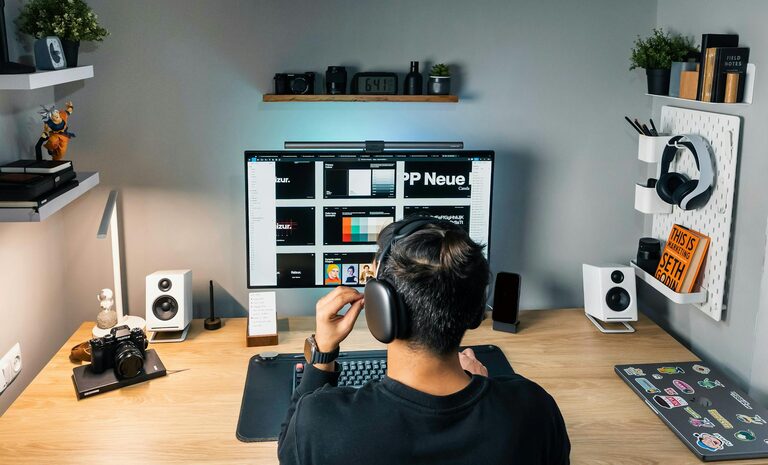
Working from home has become a common experience for many people. Having a productive home office space can make a big difference in your efficiency, focus, and overall work satisfaction. Whether you have a full room or just a small corner, creating the right environment helps you stay motivated and organized throughout the day.
In this post, we’ll explore practical tips for designing and maintaining a productive home office. From choosing the right furniture to managing distractions, these ideas will help you build a workspace that supports your best work.
Choose the Right Location
Find a Quiet Spot
Select a space with minimal foot traffic and noise. A quiet corner or a spare room is ideal as it allows you to concentrate without frequent interruptions.
Consider Natural Light
Position your desk near a window if possible. Natural light can improve mood and alertness, making your workday more enjoyable.
Avoid High-Traffic Areas
Try to avoid setting up near busy family areas like the kitchen or living room. This helps keep distractions low and signals to others when you are in work mode.
Invest in Comfortable and Functional Furniture
Ergonomic Chair
A good chair that supports your back is essential. It reduces strain and helps maintain good posture during long hours at the desk.
Desk Size and Height
Choose a desk spacious enough for your computer, documents, and any tools you use regularly. The height should be comfortable to avoid wrist or shoulder pain.
Use Adjustable Furniture if Possible
Furniture that can be adjusted to your preferred height or position promotes better comfort and reduces fatigue.
Organize Your Workspace
Declutter Regularly
Keep only what you need on your desk to minimize distractions. Use drawers or shelves to store supplies and paperwork neatly.
Use Storage Solutions
Bins, file organizers, and drawer dividers are great for keeping things tidy and easy to find.
Cable Management
Tidy cords and cables with clips or sleeves to avoid a messy look and prevent accidents.
Optimize Lighting
Layer Your Lighting
In addition to natural light, add task lighting such as a desk lamp to reduce eye strain and improve focus.
Choose Warm or Neutral Light
Avoid harsh or overly bright lights which can cause headaches. Soft, evenly distributed lighting works best for most people.
Minimize Distractions
Set Boundaries
Communicate your working hours to family or housemates. Using a sign on the door can help remind others when you’re busy.
Mute Notifications
Turn off or silence non-essential phone notifications and computer alerts during focused work times.
Use Noise-Cancelling Headphones
If background noise is a problem, headphones can help you concentrate better.
Personalize Your Space
Add Plants
Greenery can improve air quality and make your workspace more inviting and refreshing.
Display Inspiring Items
Photos, artwork, or motivational quotes create a positive atmosphere and help keep you motivated.
Choose Calming Colors
Soft, neutral tones are usually best for concentration, but personalize with colors that make you feel relaxed and focused.
Establish a Daily Routine
Dedicated Work Hours
Set regular start and end times to separate work from personal time. This encourages discipline and balance.
Take Breaks
Move away from your desk periodically to refresh your mind and body. Short breaks improve both wellbeing and productivity.
Keep a To-Do List
Use a planner or digital app to organize tasks and prioritize your work. This reduces stress and prevents forgetting important activities.
Keep Technology Up to Date
Reliable Internet Connection
A stable and fast internet connection is essential for effective communication and smooth workflow.
Use Productivity Tools
Apps for time management, note-taking, and project tracking can streamline your work processes.
Regularly Update Devices
Keep your computer, software, and other devices up to date to avoid technical issues during work.
—
Creating a productive home office space is about combining comfort, functionality, and personal touches. By carefully selecting your location, investing in ergonomic furniture, organizing effectively, and minimizing distractions, you’ll create an environment that supports your work goals and well-being.
Remember, the key is to design a space that feels good to work in every day. With these tips, you’ll be well on your way to a home office that boosts your productivity and enjoyment.