
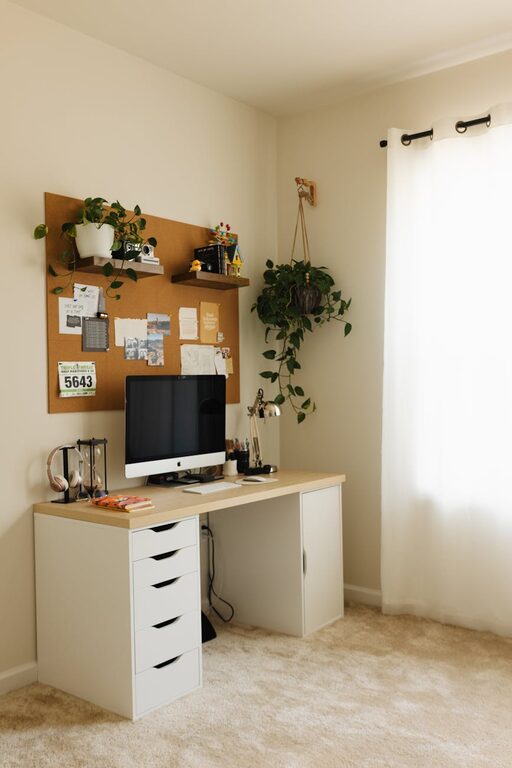
Creating a home office that feels both cozy and productive can make a big difference in how you work and how much you enjoy your space. Whether you work remotely full-time or occasionally need a spot to focus, designing an office that balances comfort with functionality is key. Here are some practical tips to help you create a home office that supports your best work while making you feel relaxed and motivated.
Choose the Right Location
The first step in setting up a home office is selecting the right spot. Ideally, pick a quiet area with minimal distractions and good natural light. A corner of a living room, a spare bedroom, or a converted nook can work well.
– Natural Light: Try to place your desk near a window to soak up daylight, which can boost mood and energy.
– Quiet Environment: If noise is an issue, opt for a room with a door you can close or consider noise-cancelling headphones.
– Separate Space: If possible, use a dedicated room for your office to help mentally separate work from home life.
Invest in Ergonomic Furniture
Comfort is essential for long hours of work. Investing in ergonomic furniture reduces strain and helps maintain good posture, boosting focus and reducing fatigue.
– Ergonomic Chair: Look for an adjustable chair with lumbar support.
– Desk at the Right Height: Your desk should allow your arms to rest at a 90-degree angle comfortably when typing.
– Footrest: If your feet don’t touch the ground comfortably, use a footrest to reduce pressure on your legs.
Personalize Your Space
A workspace that feels personal can help you relax and stay motivated. Add elements that reflect your personality and preferences without cluttering your desk.
– Decorate with Plants: Indoor plants add greenery and can improve air quality.
– Art and Photos: Hang artwork or pictures that inspire you.
– Cozy Textiles: A soft rug or a comfortable throw blanket can add warmth and texture.
Organize Efficiently
A clutter-free environment boosts productivity and reduces stress. Develop an organization system that works for your workflow.
– Desk Organizers: Use trays, file holders, and pen cups to keep supplies in place.
– Storage Solutions: Shelves, drawers, or cabinets can store papers and equipment out of sight.
– Digital Organization: Keep your computer files and desktop tidy for faster access and less distraction.
Manage Lighting Wisely
In addition to natural light, proper artificial lighting is essential, especially for evening work sessions.
– Task Lighting: Use a desk lamp with adjustable brightness to focus light where you need it.
– Avoid Glare: Position screens and lights to reduce glare and eye strain.
– Warm Light: Opt for warm white bulbs to create a welcoming atmosphere.
Maintain a Comfortable Temperature
Temperature affects concentration and comfort significantly.
– Ventilation: Ensure your room has good air circulation.
– Space Heaters or Fans: Use portable options to adjust the temperature as needed.
– Dress Comfortably: Layer your clothing to stay comfortable throughout the day.
Minimize Distractions
A home office can be full of distractions if not carefully managed.
– Establish Boundaries: Set clear work hours and communicate them to family or housemates.
– Limit Noise: Use soundproofing materials or white noise machines if external noise is an issue.
– Phone and Notifications: Silence non-essential notifications to maintain focus.
Add Technology that Supports You
Technology can enhance productivity, but it’s important to choose tools that work for your setup.
– Good Quality Monitor: A larger screen can reduce eye strain and improve multitasking.
– Keyboard and Mouse: Wireless or ergonomic options can increase comfort.
– Reliable Internet: Ensure a fast and stable connection for video calls and online work.
Incorporate Break Spaces
Taking breaks is essential to avoid burnout. If space allows, create a small area separate from your desk to rest and recharge.
– Comfortable Chair: A lounge chair or cozy nook can be ideal for short breaks.
– Change of Scenery: Use this space for stretching, reading, or a quick mindfulness practice.
Keep a Daily Routine
A consistent routine helps your brain switch into work mode and builds healthy habits.
– Set a Start Time: Begin work at the same time each day.
– Plan Your Day: Use to-do lists or digital planners to map out tasks.
– Take Regular Breaks: Short breaks every hour can improve focus and reduce fatigue.
—
Creating a cozy and productive home office is about balancing comfort with functionality. By carefully selecting your location, furniture, lighting, and organizing your space, you can design a work area that encourages focus while feeling inviting. Personal touches and routines will help you stay motivated and enjoy your time working from home. With these tips, you’ll be set up for success in a space you love.