
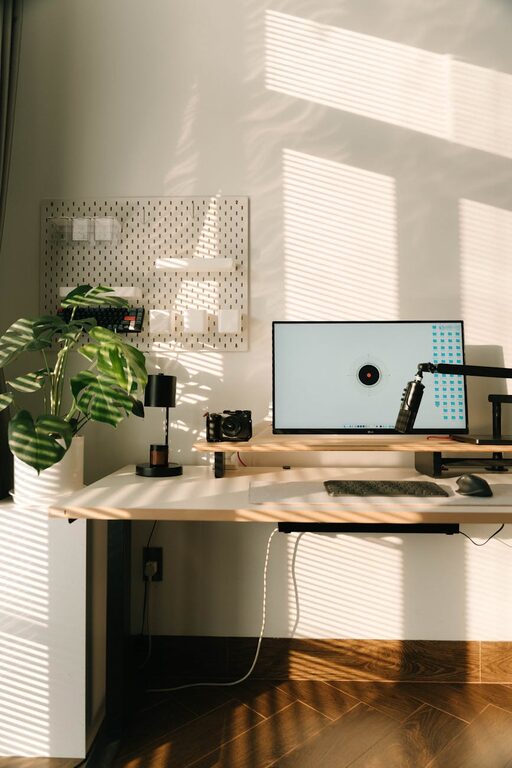
Creating a relaxing home workspace is essential for anyone looking to boost productivity while working from home. A cluttered or uninspiring environment can lead to distractions, stress, and lower efficiency. On the other hand, a calm and well-organized space encourages focus, creativity, and overall well-being.
In this post, we’ll explore practical tips to help you set up a home workspace that feels comfortable, inspiring, and productive.
Why a Relaxing Workspace Matters
Work is easier when the environment supports your goals. A relaxing workspace helps reduce stress and mental fatigue, enabling you to concentrate better. It also promotes a healthy work-life balance by clearly defining your work zone, helping you switch off when the day ends.
Choose the Right Location
Pick a Dedicated Space
If possible, choose a spot in your home that’s designated just for work. This could be a spare room, a quiet corner, or even a section of your living room. Having a dedicated space signals to your brain that it’s time to focus.
Natural Light is Key
Position your desk near a window to enjoy natural light. Sunlight boosts mood and energy levels, which can enhance productivity throughout the day. Avoid glare on your screen by placing your desk perpendicular to the window.
Invest in Comfortable Furniture
Ergonomic Chair and Desk
Comfort is crucial if you plan to work long hours. An ergonomic chair supports your back and encourages good posture, which prevents aches and fatigue. Choose a desk that suits your height and allows ample space for your computer and materials.
Add Soft Textures
Incorporate soft cushions, a cozy rug, or a blanket to make your workspace inviting. These elements can reduce stress and create a sense of comfort.
Declutter and Organize
Keep Surfaces Clear
A tidy desk promotes mental clarity. Avoid piling up papers and items unnecessarily. Use organizers, trays, or drawers to keep essentials within reach but out of sight.
Minimal Decorations
Decorate your workspace with a few meaningful objects that inspire you, such as photos, plants, or art. Avoid overcrowding, which can be visually distracting.
Use Calming Colors and Lighting
Choose Soothing Colors
Colors affect mood. Soft blues, greens, or neutrals create a peaceful atmosphere that supports focus. Avoid overly bright or harsh colors that may cause eye strain or anxiety.
Adjustable Lighting
Besides natural light, use adjustable lighting such as desk lamps with dimmers. This allows you to control the amount of light depending on the task or time of day.
Incorporate Plants and Nature
Bringing greenery into your workspace improves air quality and adds a touch of nature’s calm. Low-maintenance plants like succulents or ferns are ideal. Even a small vase of fresh flowers can enhance your mood.
Manage Noise Levels
Use Noise-Cancelling Headphones
If your environment is noisy, headphones can help block distractions and allow better concentration.
Add Background Sound
Soft background sounds, like white noise or gentle instrumental music, can create a calming atmosphere and improve focus.
Establish a Routine and Personal Boundaries
Set Clear Work Hours
Sticking to a schedule helps maintain productivity and prevents burnout. Use your workspace only during work hours to keep clear boundaries.
Take Regular Breaks
Short breaks throughout the day refresh your mind and prevent fatigue. Use this time to stretch, hydrate, or step outside for fresh air.
Personalize with Thoughtfulness
Your workspace should feel like your own. Add personal touches that inspire or relax you, whether it’s a favorite quote, artwork, or a small collection.
Keep Technology Organized and Updated
Manage Cables and Devices
Use cable organizers to prevent tangles and clutter. Keep your tech accessories well-maintained and upgrade equipment as needed for smooth performance.
Use Productivity Tools
Apps and tools for task management, scheduling, and time tracking can keep you organized and focused.
—
By combining these thoughtful approaches, you can create a home workspace that feels relaxing and encourages productivity. Remember, the goal is to design a space that suits your unique needs and promotes comfort, focus, and well-being throughout your workday.