
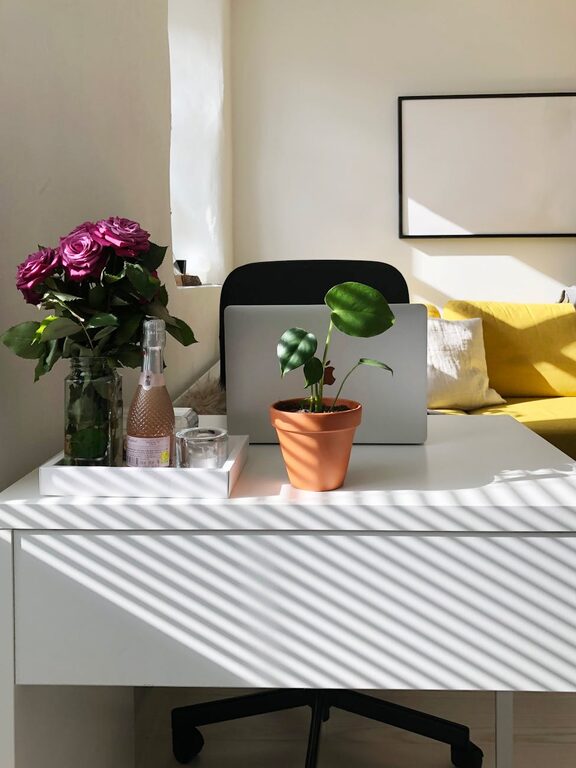
Creating a comfortable and inviting workspace at home is essential for anyone who spends significant time working remotely or pursuing creative projects. A cozy home office not only enhances productivity but also helps reduce stress and keeps you motivated. Whether you have a dedicated room or a small corner, these tips will help you design a space that feels welcoming and functional.
Choose the Right Location
Finding the ideal spot for your home workspace is the first step. Consider the following:
– Natural Light: Position your desk near a window to take advantage of natural light. It improves mood and reduces eye strain.
– Quiet Space: Pick a quiet area away from distractions like TV or household noise.
– Ventilation: Make sure the space is well-ventilated to keep the air fresh and comfortable throughout the day.
Even if space is limited, carving out a small nook in a living area or bedroom can still work well with a few smart adjustments.
Invest in Comfortable Furniture
Comfort plays a huge role in staying focused and avoiding discomfort during long hours of work.
– Ergonomic Chair: Choose a chair that supports good posture with adjustable height and lumbar support.
– Desk Size: Pick a desk that fits your needs, whether that’s a compact table or a larger workspace for multiple monitors.
– Footrest: Consider a footrest to reduce strain on your legs and improve circulation.
Remember, your workspace furniture should invite you to sit down and stay productive without causing fatigue or pain.
Personalize Your Space
Adding a personal touch helps your workspace feel inviting and reduces the sterile office vibe.
– Decor: Use artwork, photos, or plants to create a warm environment.
– Colors: Soft, calming colors like blues, greens, and earth tones can promote focus and relaxation.
– Textiles: Throw blankets or cushions can add texture and comfort, especially on cooler days.
Make sure your décor inspires and motivates you without creating visual clutter.
Organize and Declutter
An organized workspace promotes efficiency and a clear mind.
– Storage Solutions: Use shelves, filing cabinets, or desk organizers to keep supplies within reach but out of the way.
– Cable Management: Tidy up cords with clips or cable sleeves for a neat look.
– Minimalist Setup: Keep your desk surface clean by only displaying essential items.
Establish a daily routine to tidy your workspace, so clutter doesn’t build up over time.
Optimize Lighting
Proper lighting prevents eye strain and helps maintain energy throughout the day.
– Layered Lighting: Combine natural light with overhead fixtures and task lighting such as a desk lamp.
– Adjustable Lamps: Use lamps with adjustable brightness and color temperature to suit different times of day.
– Avoid Glare: Position screens and lights to minimize reflection and glare.
Bright, even lighting coupled with good contrast will keep your workspace functional and comfortable.
Incorporate Plant Life
Adding plants is a simple, natural way to enhance your workspace atmosphere.
– Air Quality: Many plants help purify the air by removing toxins.
– Stress Reduction: Studies show greenery can lower stress and increase feelings of wellbeing.
– Variety: Try low-maintenance options like succulents, snake plants, or pothos.
Place your plants where they receive the right amount of light without overcrowding your desk.
Manage Noise Levels
Sound can be either a distraction or a productivity booster, depending on your preferences.
– Noise-Cancelling Headphones: These are especially helpful if you can’t control background noise.
– White Noise Machines: Gentle sounds can mask disruptive noises and create a calm environment.
– Soundproofing: Adding rugs, curtains, or wall panels helps absorb sound in echo-prone rooms.
Experiment to find what type of background sound, if any, helps you concentrate best.
Create a Relaxation Corner
A small area for breaks can refresh your mind and body during work sessions.
– Comfy Chair or Cushion: Have a cozy spot to step away from your desk.
– Reading Material: Keep a favorite book or magazine close by.
– Mindfulness Tools: Include items like a diffuser with calming essential oils or stress-relief gadgets.
Regular breaks in a comfortable setting help maintain a healthy work-life balance and prevent burnout.
Stay Flexible and Adapt
Your ideal home workspace will evolve with your work habits and personal preferences.
– Change Layout: Don’t hesitate to rearrange your furniture or switch up your décor.
– Try New Accessories: Keep an eye out for gadgets or tools that improve comfort and efficiency.
– Listen to Yourself: Adjust lighting, seating, or workspace setup based on how you feel day to day.
A flexible mindset ensures your workspace continues to support your productivity and well-being.
—
By focusing on comfort, organization, and personalization, your home workspace can become a place where work feels less like a chore and more like a pleasure. The goal is to create an environment that inspires focus while offering enough comfort to keep you relaxed and motivated throughout the day. Start small, make gradual improvements, and enjoy the process of building your perfect cozy workspace.